Walls Prepared Smooth for Flawless Paint
Wallpaper Removal in Clemson for outdated coverings that need complete extraction before repainting
Removing wallpaper seems straightforward until you encounter adhesive that won't release, backing paper that tears into fragments, or multiple layers applied over decades. South Carolina's humidity makes adhesive particularly stubborn—moisture absorption creates a bond that hot water and specialized tools must break down methodically to avoid damaging the wall surface underneath. Nicholson's Painting handles wallpaper removal across Clemson with techniques developed over 30 years of dealing with various paper types and adhesive formulations, ensuring walls end up smooth and paint-ready rather than scarred and uneven.
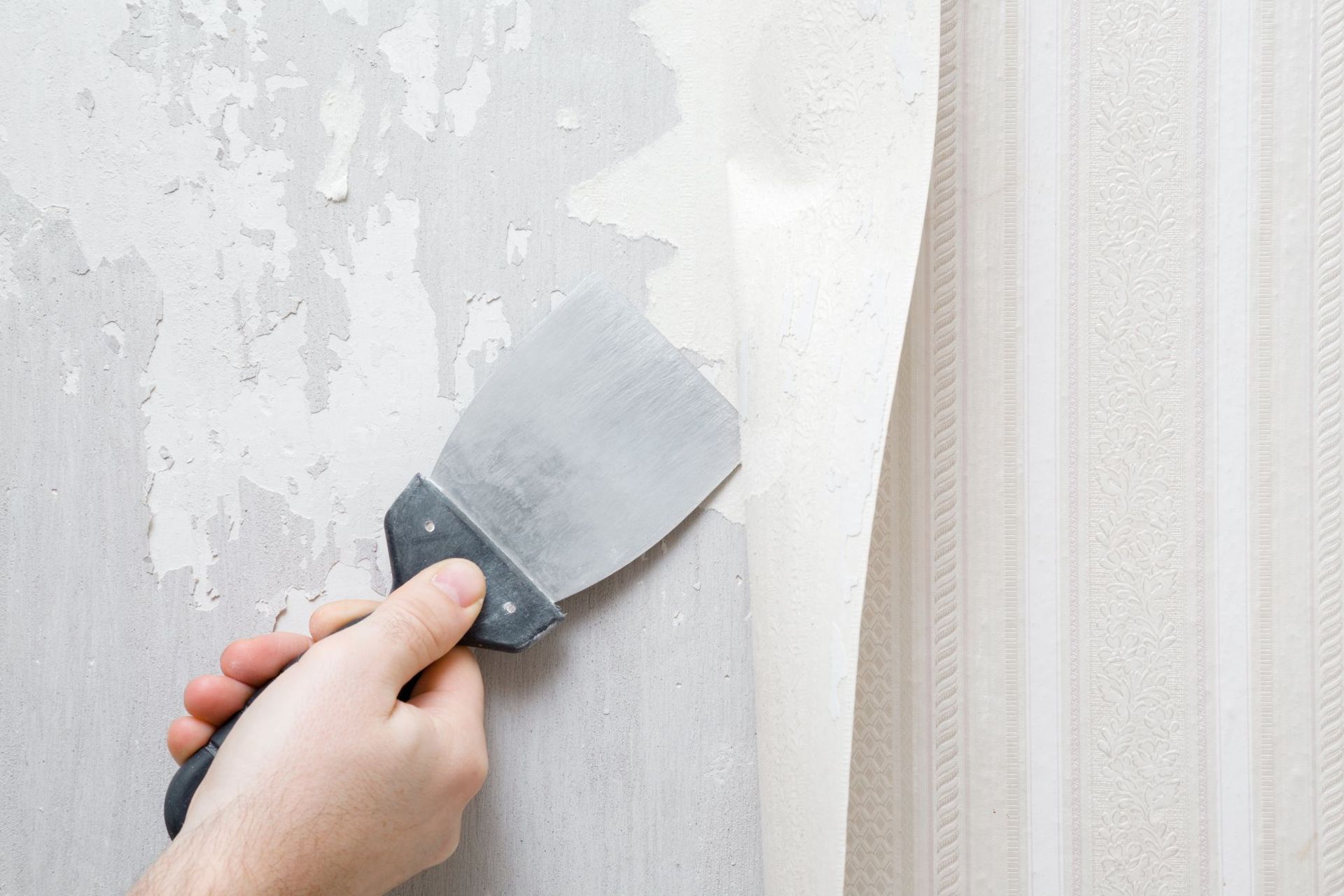
The process involves scoring the wallpaper to allow hot water penetration, then applying water repeatedly until adhesive softens enough for the paper to release without tearing chunks of drywall facing. Rushing this step leaves adhesive residue that telegraphs through paint and prevents proper bonding, creating failures within months. Different wallpaper types require different approaches—vinyl-coated papers don't absorb water until the vinyl layer is perforated, while older cloth-backed papers can disintegrate if over-wetted.
Request an assessment to evaluate your wallpaper type and discuss the removal process for your specific walls.
What Complete Adhesive Removal Actually Accomplishes
Proper wallpaper removal means no adhesive residue remains on the wall surface—hot water application continues until every trace dissolves and washes away, leaving clean drywall or plaster ready for primer. Scoring the paper creates perforations that let water reach adhesive layers without damaging walls, and working in sections ensures water stays hot and effective throughout the process. The goal is complete separation where paper lifts cleanly rather than tearing into small pieces that require scraping.
After removal and adhesive cleanup, your walls feel smooth to the touch with no tacky spots or raised edges where paper fragments remain, and primer bonds directly to the wall surface instead of sitting on top of residue that eventually releases. Paint applied over properly prepared walls maintains adhesion for the life of the paint job rather than peeling at seams or bubbling where hidden adhesive prevents bonding. You'll notice the difference immediately in how uniformly the primer covers and how smooth the final painted surface appears.
The work stops short of drywall repair—if wallpaper removal exposes damaged areas or if aggressive adhesive took drywall facing with it, those repairs happen as a separate step before priming. Some older wallpapers used adhesives that bonded permanently, and in those cases careful assessment determines whether removal risks more damage than skim-coating over the existing paper. South Carolina homes built in the 1960s and 1970s often have multiple wallpaper layers, each requiring individual attention during removal.
Answers to Frequent Wallpaper Removal Questions
Here's what property owners in Clemson typically want to know before starting wallpaper removal projects.
What makes wallpaper adhesive so difficult to remove in South Carolina?
Humidity allows wallpaper paste to absorb atmospheric moisture over years, creating a bond that's stronger than when originally applied, and modern vinyl-backed papers trap that moisture against the wall, intensifying adhesion.
How does the scoring process avoid damaging drywall underneath?
Scoring tools use small wheels or perforating tips that puncture only the wallpaper layer without pressing hard enough to gouge drywall, creating pathways for water while leaving the wall surface intact.
Why can't I just paint over existing wallpaper?
Paint doesn't bond reliably to wallpaper surfaces, and moisture from paint application can reactivate old adhesive, causing bubbling and peeling, while wallpaper seams remain visible through paint regardless of how many coats you apply.
When is skim-coating a better option than removal?
If wallpaper is bonded so aggressively that removal will destroy drywall facing, or if multiple layers have created a textured surface, skim-coating with joint compound over sealed paper can provide a smooth paint-ready surface with less wall damage.
What should walls look like after proper wallpaper removal?
Clean walls show uniform color with no shiny spots from residual adhesive, feel smooth without sticky patches, and accept primer evenly across the entire surface without blotchy absorption patterns that indicate remaining residue.
Nicholson's Painting approaches wallpaper removal with the same attention to surface prep that ensures lasting paint results, treating your walls with care while removing every trace of adhesive. Set up a consultation to review your wallpaper condition and timeline for preparing rooms for new paint.