Surfaces Prepared to Prevent Paint Failure
Drywall Repair in Central for cracks, holes, and texture damage that reappear after cosmetic fixes
Settlement cracks that keep reopening, nail pops that show through fresh paint, and holes patched so poorly you can see the repair outline—these problems happen when drywall damage gets cosmetic fixes instead of structural repairs. Upstate climate changes cause homes to shift seasonally, creating stress cracks that need mesh reinforcement or they'll reappear within months of being filled. Nicholson's Painting provides drywall repair in Central that addresses root causes rather than hiding symptoms, drawing on 30 years of experience identifying when cracks signal structural issues versus normal settling, and what type of repair prevents recurrence.
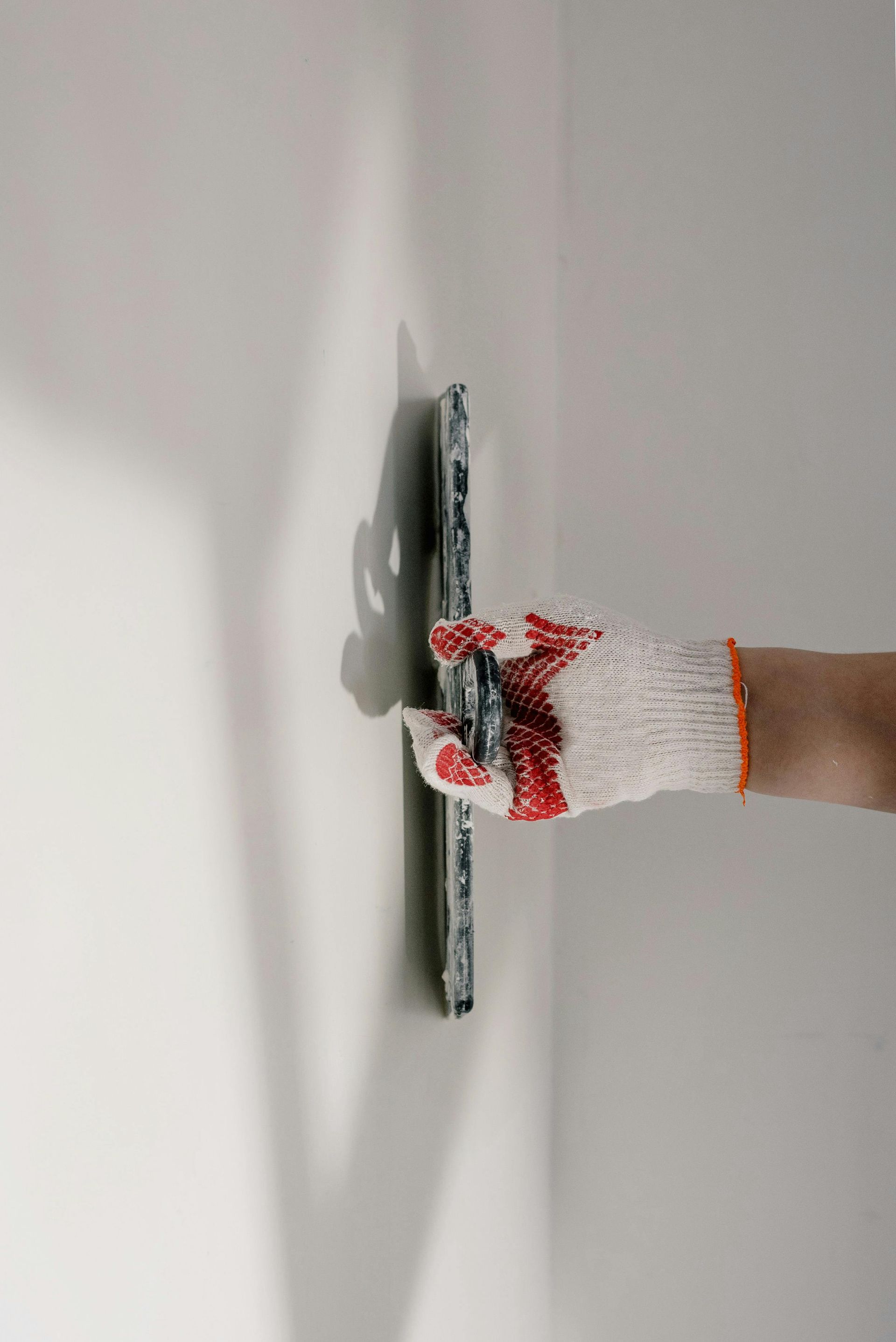
Proper repair involves cutting out damaged drywall back to solid material, installing backing where needed for support, and applying mesh tape over joints before mudding so the repair moves with the wall instead of cracking independently. Multiple coats of joint compound get feathered out and sanded smooth until the repair area feels flush with surrounding surfaces, because even slight ridges become visible once paint and lighting hit them. This preparation work determines whether your walls look flawless or show every patch and crack once the final coat dries.
Schedule an assessment to identify what type of repair your specific damage requires and why previous fixes haven't held.
What Changes After Proper Surface Prep
Repaired areas feel smooth to the touch with no detectable ridges or depressions where filler was applied, and they remain invisible after painting because the texture matches surrounding surfaces exactly. Licensed contractors know that rushing through coats or skipping mesh reinforcement saves time initially but guarantees the same cracks will reappear after the next seasonal temperature swing. Each repair gets evaluated for what caused it—plumbing leaks, structural movement, poor original installation, or normal wear—because the fix changes based on the source.
Your walls look uniform under angled light without shadows or texture variations marking where repairs were made. Paint adheres consistently across repaired sections because the surface has been sealed and primed correctly, eliminating the flat spots where unsealed joint compound absorbs paint differently than the surrounding drywall paper. These details separate thorough preparation from quick patches that look acceptable until lighting conditions change or paint reveals what's underneath.
The scope varies significantly based on damage extent—small nail pops need minimal work, while large holes require backing installation and multiple mud coats built up gradually. Water-damaged drywall often needs replacement rather than repair because saturated gypsum loses strength and can harbor mold. Honest assessment of what's needed prevents wasting money on repairs that won't last because the underlying material is compromised.
Common Questions About This Service
Property owners want to understand why some cracks keep coming back, what proper repair involves, and when replacement makes more sense than patching.
Why do settlement cracks reappear after being filled?
Without mesh reinforcement, filler hardens into a brittle patch that cracks independently when the building shifts during seasonal temperature changes. Central's climate swings cause predictable movement in homes, so cracks need flexible reinforcement that moves with the structure rather than fighting against it.
What does comprehensive drywall repair include?
The process involves cutting back to solid material, installing backing for support where needed, applying mesh tape over joints, building up multiple coats of joint compound while feathering edges, and sanding smooth until the repair is undetectable by touch. Each coat needs drying time before the next application.
How can you tell structural cracks from cosmetic ones?
Structural cracks often run diagonally from corners of doors or windows, widen over time, or appear with other signs like sticking doors or sloping floors. Normal settlement cracks stay consistent in width and appear at predictable locations like wall-ceiling joints. Experience reading these patterns helps identify when deeper investigation is needed before repair.
When should damaged drywall be replaced instead of repaired?
Water damage, large holes bigger than six inches, or areas with multiple failing repairs typically need replacement because the substrate is compromised. Trying to repair severely damaged drywall costs more in labor than cutting out the section and installing new material correctly.
What happens after repairs are finished?
Repaired areas get primed separately before painting because joint compound absorbs paint differently than drywall paper, and skipping this step causes visible flat spots where texture and sheen don't match. Proper priming seals the repair and creates uniform absorption across the entire surface.
Nicholson's Painting treats drywall repair as the foundation for paint work that lasts, understanding that corners cut during preparation show up immediately once paint reveals what's underneath. Request a detailed evaluation that explains what your walls need and why thorough preparation prevents having to redo the same repairs repeatedly.