
Clean Lines That Define Room Details
Interior Trim in Clemson for baseboards, casings, and crown molding requiring precision finish work
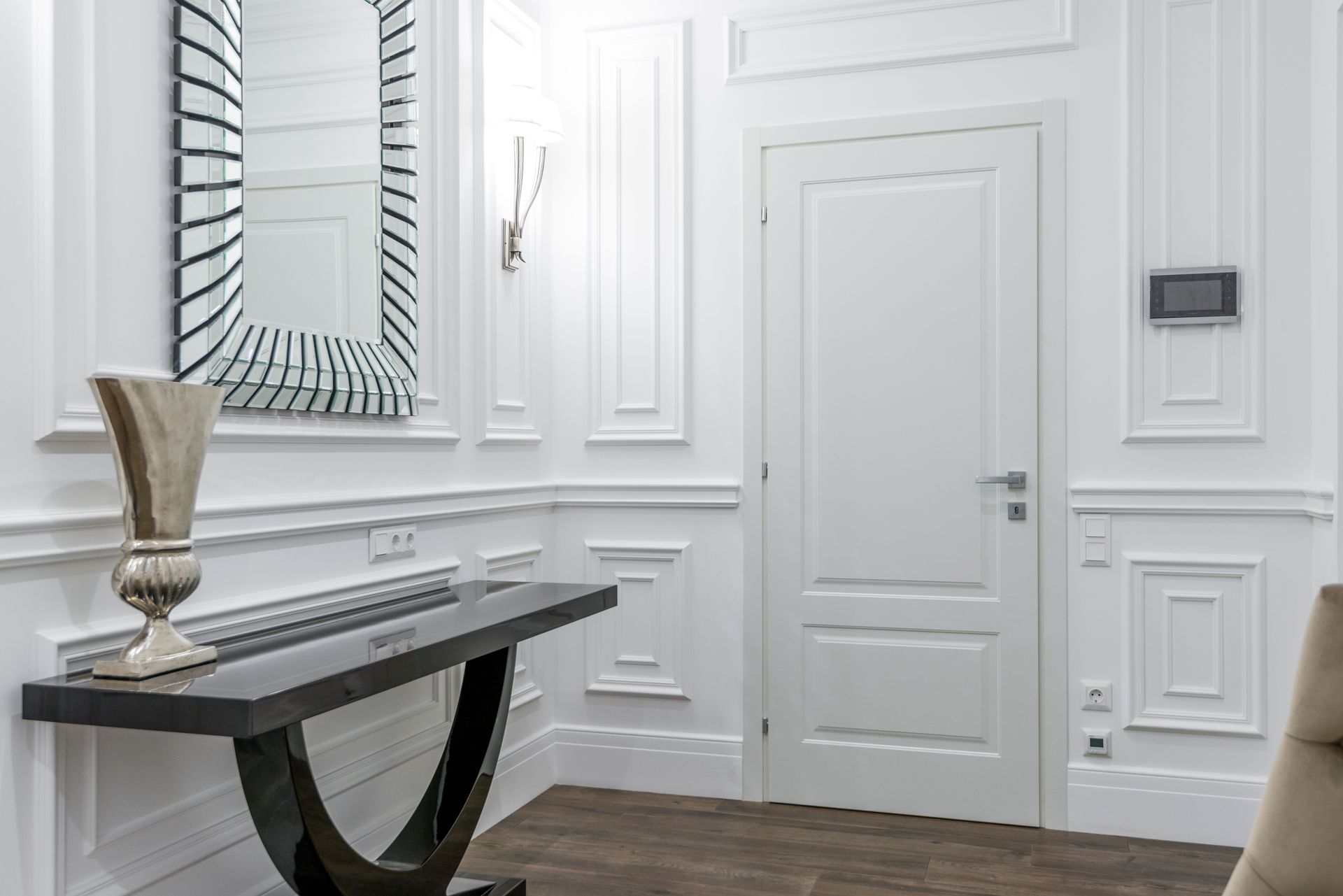
Trim work reveals craftsmanship—every gap, uneven line, and paint bleed becomes obvious when viewed at eye level in natural light. South Carolina's humidity causes wood movement that opens joints and creates nail pops along baseboards and casings, requiring strategic caulking that maintains clean lines without the overdone appearance that comes from filling every crack. Nicholson's Painting handles interior trim across Clemson with an approach developed over 30 years of working in various climate conditions, understanding when caulk improves appearance and when it creates problems. You'll see the difference in how trim lines stay crisp where walls meet woodwork and how corners fit tightly without visible gaps.
Precision trim painting involves masking walls to create sharp boundaries, filling legitimate gaps while leaving intentional reveals untouched, and applying paint in thin coats that build to a smooth finish without sags or brush marks. Wood movement from seasonal humidity changes means not every gap should be caulked—some joints need to move, and filling them leads to cracking as the wood expands and contracts. The key is identifying which gaps result from poor installation or damage versus which reflect normal material behavior.
Request a trim evaluation to discuss finish options and review areas needing attention before paint application.
What Strategic Caulking Prevents Long-Term
Proper caulking seals gaps where baseboards meet walls, fills nail holes along trim runs, and addresses corners that have separated due to settling or wood shrinkage. The approach avoids over-caulking, which creates a visible line of sealant that collects dust and looks sloppy within months, and focuses instead on filling only gaps that detract from appearance or allow air infiltration. Caulk selection matters—acrylic latex caulk remains paintable and flexible, while silicone caulk can't be painted and eventually yellows in South Carolina's UV exposure.
After trim painting with strategic caulking, your rooms show clean transitions where walls meet woodwork, corners fit tightly without shadows from gaps, and nail holes disappear into smooth painted surfaces. The finish maintains its appearance through seasonal humidity changes because caulk was applied only where it serves a purpose, not everywhere out of habit. You'll notice that trim lines look professionally sharp without the overly filled appearance that signals rushed work or lack of understanding about wood movement.
The work includes light sanding to smooth existing finishes and create proper adhesion for new paint, plus addressing loose trim pieces that need re-nailing before painting begins. For homes with stained wood trim, the decision between painting and refinishing depends on the condition of existing finish and whether architectural style benefits from painted or natural wood. Clemson's climate causes faster finish degradation on south-facing windows where UV exposure is concentrated, requiring extra attention to those areas during prep.
Questions Before Starting Interior Trim Work
Homeowners in Clemson typically have these questions when planning interior trim painting projects.
Why do gaps keep appearing between baseboards and walls after painting?
South Carolina humidity causes wood trim to absorb moisture and expand, then dry out and shrink, creating movement that opens previously filled gaps, which is why strategic caulking focuses on areas where appearance matters most and accepts minor gaps where movement is inevitable.
How do you achieve perfectly straight lines where trim meets walls?
Quality masking tape applied carefully along the trim edge creates a barrier that prevents paint bleed, and removing tape while paint is still slightly wet produces the cleanest lines without pulling dried paint away from edges.
What makes trim look over-caulked and how do you avoid it?
Applying caulk in every gap and joint creates visible lines of white sealant that don't match surrounding paint texture, so the approach involves filling only significant gaps and smoothing caulk flush rather than leaving raised beads.
When should nail holes be filled versus left alone?
Visible nail holes along trim runs get filled with spackling compound before painting, but recessed nails covered by previous paint layers don't need additional attention unless they're creating shadows or rust stains bleeding through.
What's included in trim painting beyond just applying paint?
Complete trim work includes light sanding for adhesion, strategic caulking where needed, re-nailing loose pieces, spot-priming bare wood or repairs, and applying multiple coats for uniform coverage and durability.
Nicholson's Painting brings three decades of trim experience to every project, treating your interior woodwork with the attention to detail that produces lasting clean lines. Arrange a consultation to review your trim condition and discuss finish preferences for your home's interior spaces.