
Coatings Designed for Constant Water Exposure
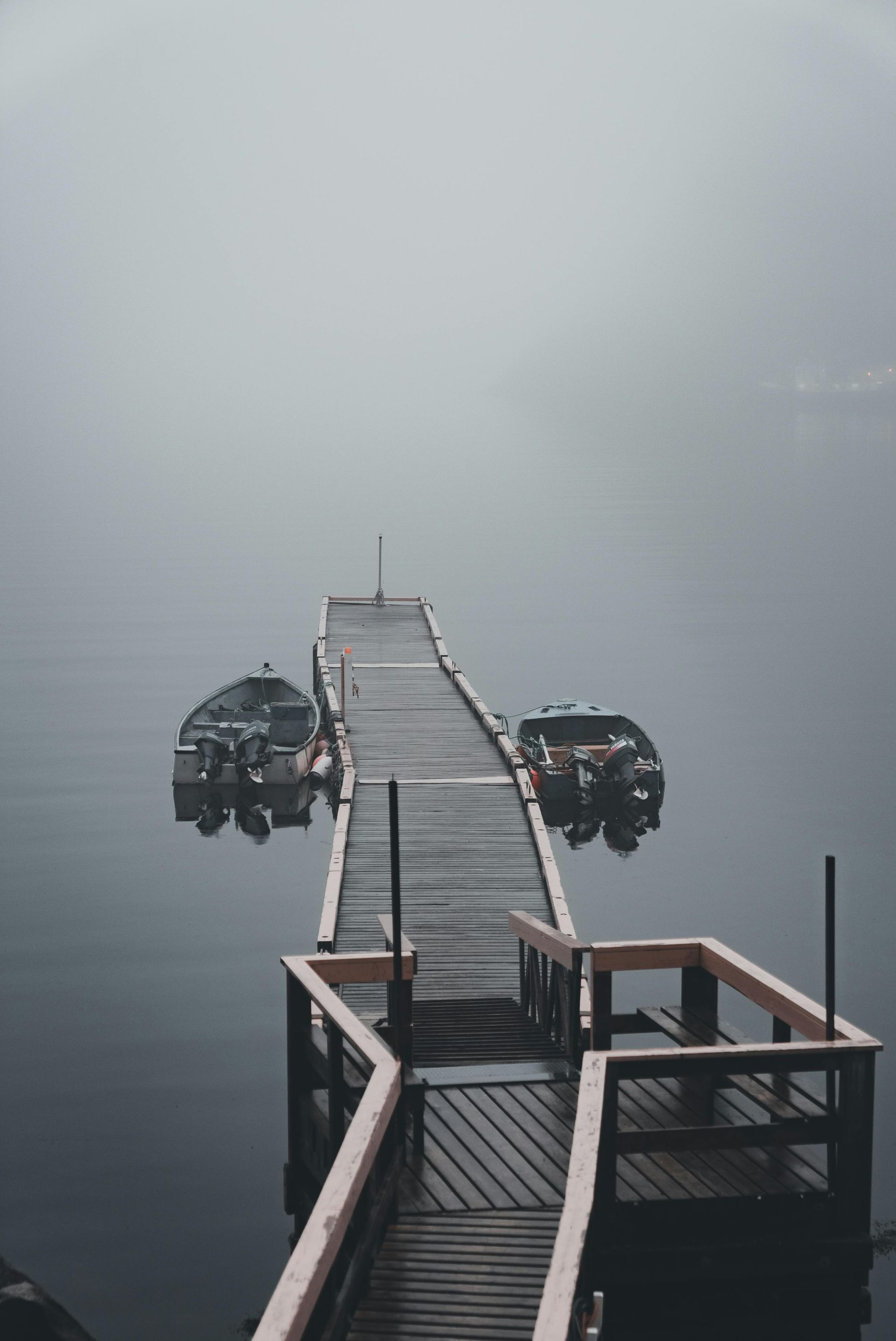
Boat Dock Painting in Clemson for waterfront structures facing UV reflection and continuous moisture stress
Boat docks endure conditions that destroy standard exterior paint within a season—constant water contact from below, UV radiation amplified by reflection off the water surface, and thermal cycling as surfaces heat to extreme temperatures during the day and cool rapidly at night. Nicholson's Painting applies marine-grade coatings to docks across Lake Keowee and Upstate South Carolina lakes, using products specifically engineered for extreme weather exposure and water immersion. As a former certified Flood Pro contractor with experience coating structures at the Winter Olympics, the approach focuses on product selection and surface prep that handles the unique stress waterfront structures face year-round.
Marine coatings like Flood Solid State contain higher concentrations of UV inhibitors and mildewcides than standard deck paint, plus resins that remain flexible during the expansion and contraction that occurs daily on dock surfaces. Application timing matters—coatings must cure fully before water contact resumes, and South Carolina's humidity extends curing times compared to drier climates. Surface prep includes removing existing failed coatings, treating wood for rot, and ensuring the substrate is dry enough to accept the new coating system.
Schedule a dock inspection to evaluate surface condition and discuss marine coating options for your waterfront structure.
Why Marine-Grade Products Work for Dock Applications
Marine coatings are formulated differently than standard exterior paints because the performance requirements are more severe—resistance to water immersion, protection against UV radiation doubled by reflection, and flexibility to handle the constant movement of floating docks. Flood Solid State and similar marine products create a barrier that prevents moisture penetration while allowing wood to breathe, avoiding the trapped moisture that causes coatings to delaminate from underneath. These products also resist the mildew and algae growth that thrives where water contact keeps surfaces perpetually damp.
After marine coating application, dock surfaces shed water instead of absorbing it, and the finish maintains color consistency despite the intense UV exposure that fades standard paints to gray within two years. You'll notice that mildew doesn't colonize the surface in shaded areas or where water splashes constantly, and the coating remains bonded rather than peeling at edges where water intrusion typically begins. Nicholson's Painting draws on over 20 years of experience with Flood products and extreme weather applications to select the right system for your dock's specific exposure conditions.
The process includes working around boat traffic and weather patterns to ensure uninterrupted curing time, because even a brief rain within the first 24 hours can ruin adhesion and require starting over. For docks with existing coating failure, complete removal down to bare wood produces better long-term results than attempting to coat over compromised surfaces. Lakefront properties in Clemson often deal with additional challenges from fluctuating water levels that expose portions of the dock structure to alternating wet and dry conditions.
What Dock Owners Usually Ask
Property owners with waterfront docks in the Clemson area frequently ask these questions before starting coating projects.
What's the difference between deck stain and marine dock coating?
Marine coatings contain three to four times the mildewcide and UV inhibitor concentration found in deck stains, plus waterproofing additives that prevent moisture penetration from constant water contact rather than occasional rain exposure.
How long before we can use the dock after coating application?
Marine coatings typically need 48 to 72 hours of dry conditions for initial cure before foot traffic resumes, and full cure takes up to two weeks in South Carolina's humidity, though light use can begin after the initial cure period.
Why does dock paint fail faster on the water-facing surfaces?
UV radiation reflecting off water effectively doubles the sun exposure on horizontal surfaces, and the combination of heat, moisture, and UV breaks down coating chemistry much faster than on vertical surfaces or areas shaded by boat lifts.
When is complete coating removal necessary versus recoating?
If existing coating shows peeling, blistering, or delamination across more than 20 percent of the surface, removal down to bare wood ensures the new coating system bonds properly rather than failing prematurely where old coating releases.
What weather window do you need for successful dock coating?
We need a minimum of three consecutive days without rain, with moderate temperatures between 50 and 85 degrees and humidity below 70 percent for optimal curing, which typically means spring or fall scheduling in Clemson's climate.
Nicholson's Painting treats your dock coating project with the same marine-grade approach and weather-conscious timing that protects high-exposure structures in challenging climates. Contact us to discuss your dock's current condition and schedule coating work around Lake Keowee's seasonal patterns.